Banxa Adds VietQR, Bringing Instant Bank Transfer Payments to Crypto Buyers in Vietnam

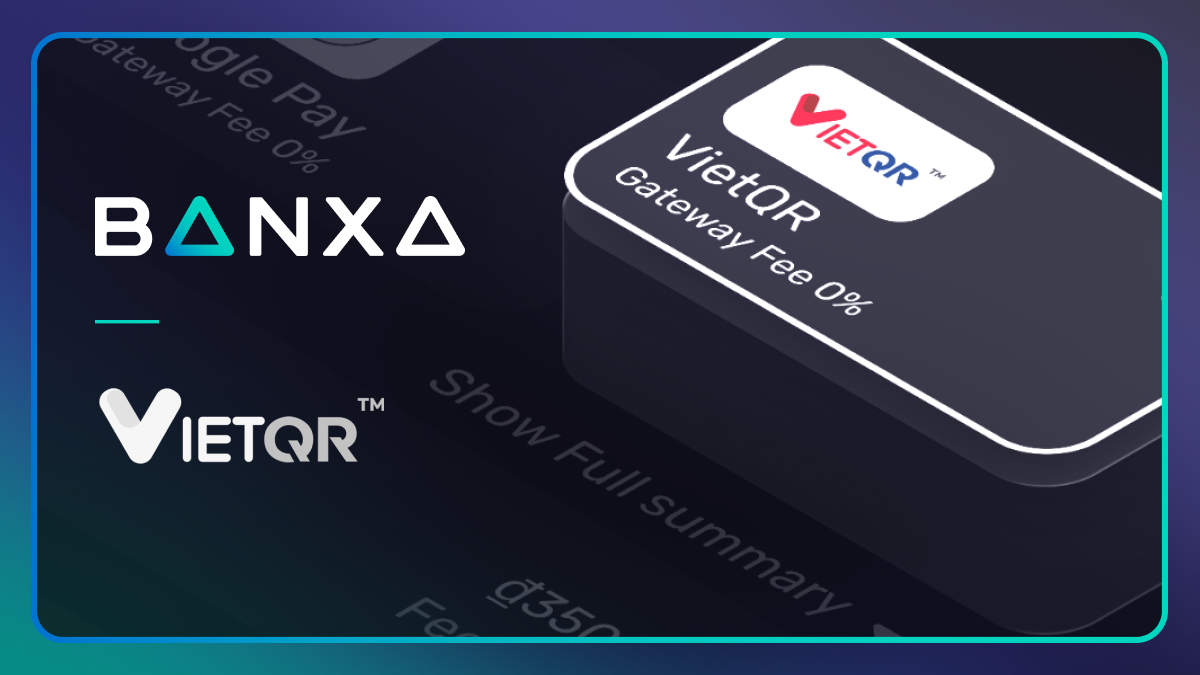
Banxa has added VietQR as a supported payment method across its platform, giving Vietnamese users a direct line from their bank account to their crypto wallet using the same scan they use for everything else.
Banxa-Icon-RGB Favicon

Team Banxa

July 2026

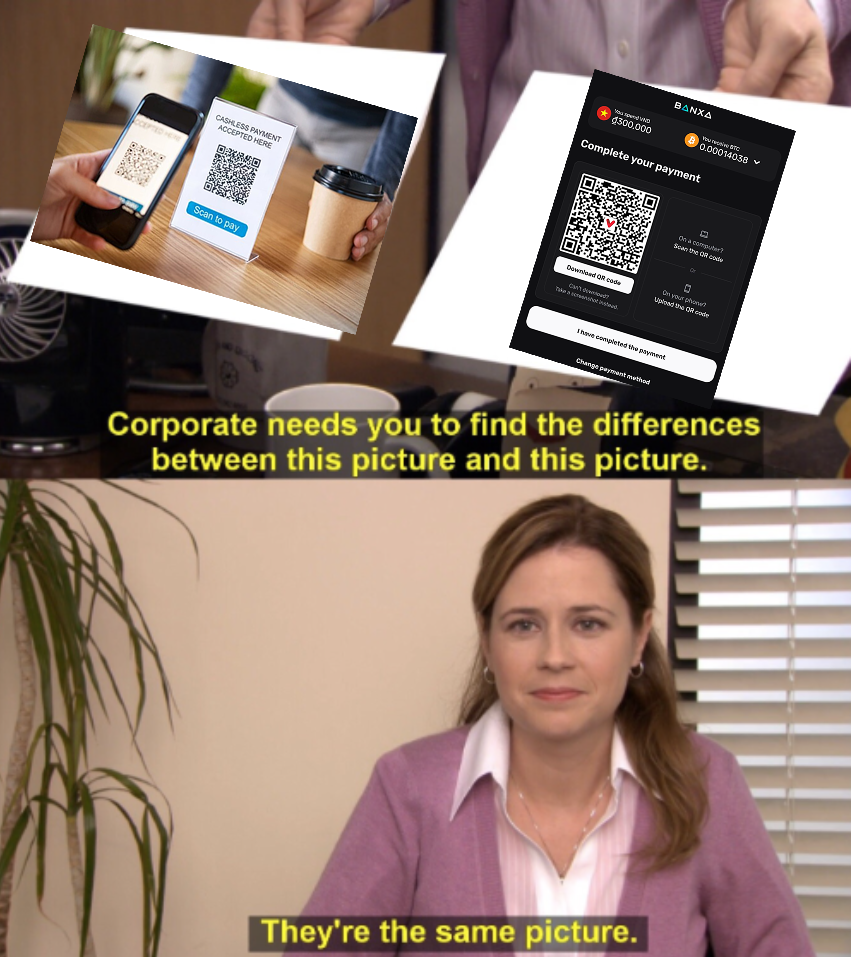
Payments in Vietnam run on QR. Coffee at a street stall, rent to a landlord, a bill split between friends after dinner. All of it moves through a scan linked directly to a bank account. Around 15 million VietQR transfers move through the National Payment Corporation of Vietnam’s (NAPAS) instant payment network every day, and merchant acceptance has reached 85% nationally. Most, if not all, daily transactions in Vietnam involve a QR code and a mobile phone.
 
Buying crypto was the one thing that lived outside this system. Today, that changes with Banxa’s integration of VietQR for all eligible crypto transactions.
 

Building for the people

Vietnam ranks 4th in the world for crypto adoption, out of 151 countries tracked by Chainalysis in 2025. With an estimated 17 to 20 million locals holding crypto, this is somewhere close to a fifth of the population, meaning four out of five have yet to take that first step.
 
Most early adopters got here through channels available at the time: expensive card transactions, or informal P2P channels that carried real risk alongside the cost. Neither option was built with Vietnamese users in mind. Card-based crypto purchases carry fees as high as 7%, and on a USD $50 purchase, that’s approximately 92,110 VND gone before you own anything (that’s three bowls of pho wasted). Discouraged, some turned to informal P2P channels with no escrow, no licensing, and no recourse if the trade went wrong.
 
For people in emerging markets, this combination of high cost and unregulated alternatives sits between them and the first, most important step: access.
 
VietQR on Banxa changes the entry point for local users.
Combined with a 0% fee during the launch period, the introduction of local rails gives Vietnamese users a way to buy crypto using the payment method already linked to their bank account. After the promotion ends on 31 July 2026, the fee settles at 3%. For someone putting aside fifty dollars a month, that difference is what makes a purchase feel worth it.

The size of the opportunity

Few markets Vietnam’s size have compounded this consistently, across adoption, volume, and payment infrastructure, all at the same time.
Vietnam’s onchain volume grew 55% between July 2024 and June 2025, according to Chainalysis‘s APAC adoption report. The country’s total crypto market value crossed $220 billion in 2025, placing it among the largest crypto markets in Southeast Asia.
QR-based payments also grew 106.7% in volume and nearly 85% in value across Vietnam in 2024, driven partly by a government push toward cashless transactions. VietQR already made up roughly a third of all transactions on NAPAS’s instant payment network that year.
A crypto market growing at pace and a QR payment habit already embedded into daily life. The convergence of both allows Banxa to offer Vietnamese users a way to buy crypto through a familiar payment method backed by a licensed, regulated platform, at a fee that makes participation viable for the majority of the population.
How VietQR works on Banxa

The checkout flow is designed around how Vietnamese users already pay.
A customer selects VietQR at checkout and completes verification. A dynamically generated QR code appears on screen, showing the order amount alongside a countdown timer. On desktop, they scan it with their phone’s banking app. On mobile, they save the image or follow a deep link directly into their banking app. Once they authorise the transfer, the checkout screen confirms payment automatically, with no manual step needed on either side. 

Built for the people building in Vietnam

For developers and merchants integrating crypto payments into products that serve Vietnamese users, VietQR on Banxa removes the most common reason users drop off at checkout: a payment method that doesn’t match how they actually move money.
The demand is already there. What’s been missing is a checkout experience built around the payment rail Vietnamese users already trust, one that doesn’t ask them to reach for a card they’d rather not use, or absorb a fee high enough to make them reconsider the whole thing.
VietQR on Banxa is available to every merchant on the platform not restricted from operating in Vietnam. Integration runs through Banxa’s existing infrastructure. There’s no separate setup for the Vietnamese market, no additional compliance layer to build around. It’s the same platform, with a payment method that finally fits the market it’s serving.
For builders, that’s a checkout flow that gives the four out of five Vietnamese adults who haven’t tried crypto yet a real reason to get started.
“Vietnam has ranked in the top five for global crypto adoption for years, through every market cycle, and almost 20 million people got there while paying fees that were too high and taking on unnecessary risks. Emerging markets have the demand. What they’ve been waiting for is infrastructure built around how they actually live and pay. VietQR on Banxa is Banxa’s answer to that.” — Shaun Heng, Chief Product & Growth Officer

What’s next

VietQR joins a range of local payment rails Banxa supports across its global platform, alongside Google Pay, Apple Pay, Klarna, PayPal, and more.
Vietnam is one of several emerging markets where Banxa is building local payment infrastructure, starting with the rails people already trust rather than asking users to adapt to ones that don’t belong to them. VietQR is the first step in that direction for Vietnam and Banxa.

Interested to find out more? Contact us or learn more here.

Before you go

Pricing may vary. Our partner pricing is flexible and customized based on your integration requirements and volume

Before you go

Pricing may vary. Our partner pricing is flexible and customized based on your integration requirements and volume