Is Banxa Safe? How to Check, and What Actually Happens to Your Money
How to verify any crypto on-ramp for yourself, what happens between paying and receiving coins, and the risks no honest platform will hide from you.

TL;DR
- Banxa is an on-ramp: it converts money to crypto and delivers it to a wallet, and is not an exchange or a wallet that holds your coins.
- Don't take any platform's word for its own trustworthiness: check licence registers, security practices and support access yourself.
- Your money moves through a locked quote, a one-time identity check, and delivery to the address you chose.
- The risks that remain are crypto itself: prices fall, transfers are final, and scammers impersonate real platforms.
- Educational guide only, not financial advice.
Typing a card number into a crypto site for the first time is a small act of trust, and the honest answer to the question in the title is never a yes or a no from the company itself. It is a checklist you run yourself. This guide gives you that checklist, shows what actually happens to your money during a Banxa purchase, and is blunt about the risks that remain whoever you buy through.
One thing first, because it changes what the question even means here. Banxa is an on-ramp: plumbing that converts ordinary money into crypto and sends it to a wallet, running since 2014 with more than 100 payment methods across 100-plus countries, where available. It is not an exchange where balances sit, and it is not a wallet. After delivery, your coins are wherever you pointed them, under that wallet's keys, not held by Banxa. Most horror stories in crypto involve custodians failing while holding customer coins, and an on-ramp purchase is not structured that way.
Run the checks yourself
Any platform can write 'trusted' on its own homepage. Verification means going one layer down, and it takes about ten minutes.
Licences and registrations: Banxa publishes its licence and registration information on its own site, read it, note which entity covers your country, then confirm the entry on the regulator's public register rather than stopping at the company's page. Real registrations are searchable in official databases, and the check costs nothing.
The billing entity: at checkout, the name on the payment page and the terms should match the corporate entity serving your market. Mismatched or vague entity names are the thing to walk away from, on any platform.
Security signals you can see: a one-time identity check before first purchase (annoying, and a good sign: platforms that verify identities are running anti-money-laundering controls), 3-D Secure approval through your own banking app on card payments, and a support channel a human answers. Test the support channel with a question before you pay, not after.
What happens to your money, step by step
A Banxa purchase runs on rails you can watch: you get a quoted price that locks for roughly 3 minutes, and you verify identity once, with photo ID, usually in minutes. Your bank approves the card payment, often via a 3-D Secure prompt, and the order typically completes within about 10 minutes of that approval. The crypto is then dispatched to the wallet address you provided, and you can watch it confirm on a public block explorer.
Two details in that flow do quiet protective work. The locked quote means the price you approved is the price you get, not a number that drifts while you blink. And delivery to your own address means the transaction ends with you holding the coins, not with a balance sitting on someone's platform waiting for a withdrawal button.
The risks that stay, whoever you use
An honest answer includes what no platform can protect you from.
Prices fall. Crypto is volatile, capital is at risk, and a flawless purchase of an asset that then halves is still a flawless purchase, so buy what you would not miss.
Transfers are final. Crypto sent to the wrong address, or on the wrong network, has no recall desk. Check the first and last four characters of your wallet address before you pay, every time.
Impersonators: scammers clone real platforms, fake sites bought as adverts, fake support agents in chat groups, fake 'verification' pages asking for your seed phrase. Type the address yourself, and remember that no real platform, Banxa included, will ever ask for your seed phrase or private key. That request is the scam, every time.
Questions worth asking of any on-ramp
Run five questions against any service, this one included: does it verify identity before taking money, does it publish who regulates or registers it, per country, somewhere you can cross-check, does the quote lock or drift, does it deliver to your wallet or hold your coins, and can you reach support before you are a customer? The pattern of answers tells you more than any homepage badge.
None of this is financial advice, and no checklist removes crypto's own risks. What a checklist does is separate the risk you chose, price movement on an asset you decided to buy, from the risks nobody should accept: unverifiable operators, drifting prices, and coins that never arrive.
Frequently Asked Questions
About the author — Dan Clarke
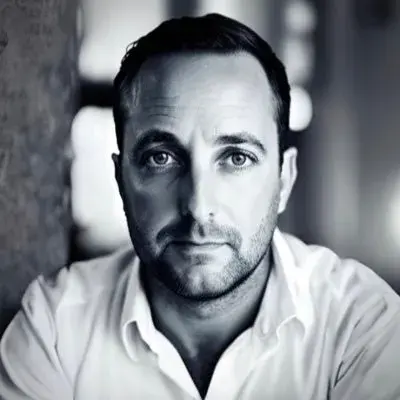
Dan Clarke is the author of Bitcoin: The Complete Guide and a former content lead at Binance Academy, where he wrote crypto education for readers arriving with no background in the subject. He has worked in the cryptocurrency industry since 2017. His rule for these guides: plain language first, precision where it matters, no cheerleading.